Future of Managed IT Services
How proactive IT management powers modern business



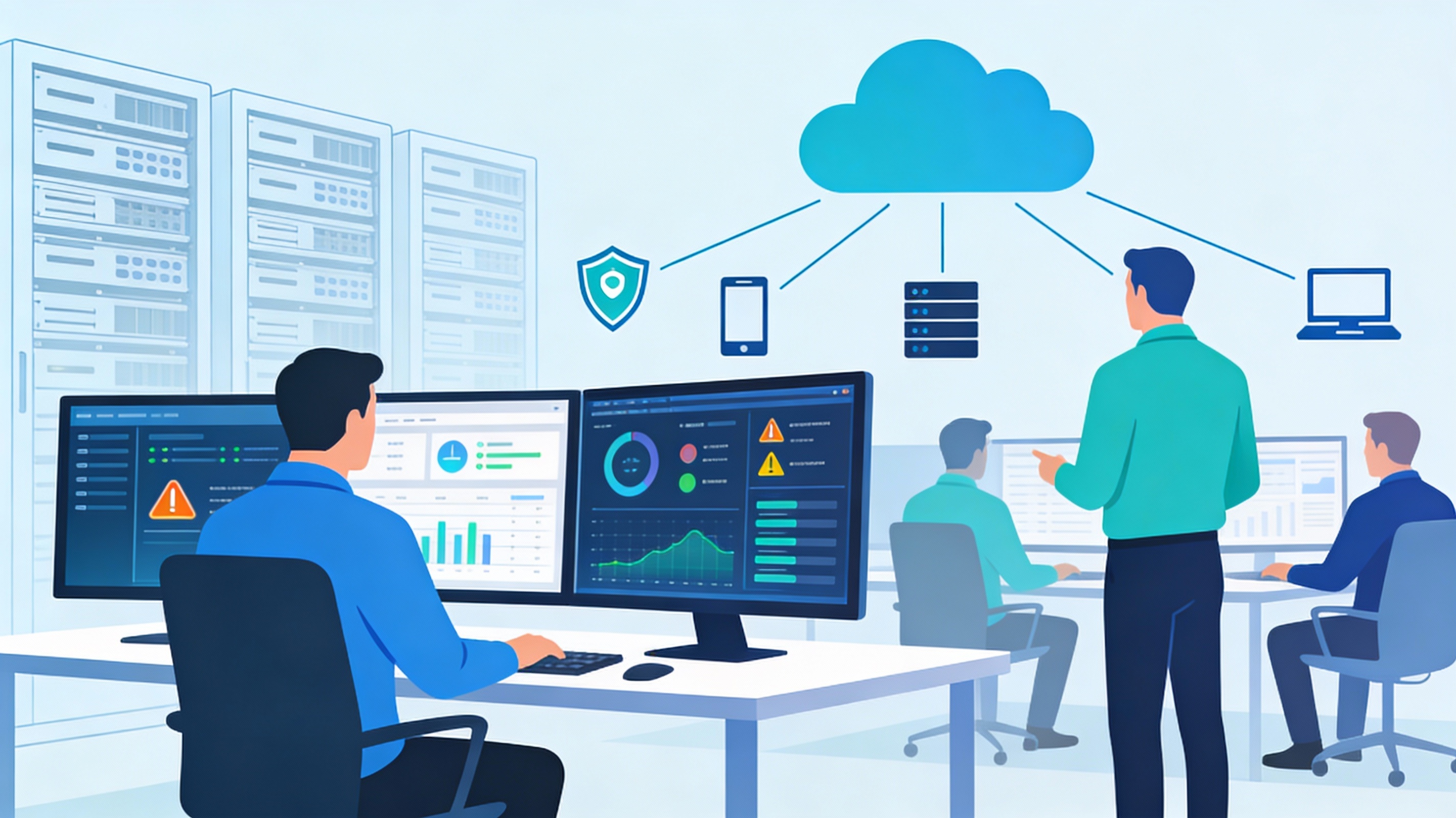
Technology has moved from the back office to the boardroom, and managed IT services now sit at the heart of this shift. Instead of treating IT as a cost centre that only gets attention when something breaks, forward-looking organizations are partnering with managed service providers (MSPs) to keep systems stable, secure, and ready for growth. A well-designed managed IT model turns infrastructure and support into an always-on utility that quietly enables every function in the business.
Modern businesses also face increasing complexity: hybrid work, cloud applications, remote branches, and demanding customers who expect zero downtime. Trying to manage all of this with a small internal team quickly leads to burnout, gaps in coverage, and inconsistent results. Managed IT services provide a structured way to fill these gaps with the right mix of tools, processes, and experts so you get enterprise-level reliability without enterprise-level overhead.
From reactive support to proactive care
Traditional IT support was mostly reactive: log a ticket, wait for someone to respond, and hope the issue gets resolved before it affects customers. In contrast, mature managed IT services are built around proactive monitoring and preventive maintenance. Core systems—servers, networks, endpoints, cloud resources—are watched in real time, with alerts triggered long before a small warning becomes a major outage.
This proactive posture has a direct business impact. Regular patching, health checks, performance tuning, and capacity planning reduce the frequency and duration of incidents. Employees spend less time waiting for systems to come back online and more time serving customers or closing deals. Leadership gains confidence that IT will not derail strategic initiatives with surprise failures at the worst possible moment.
Security, compliance, and peace of mind
As cyber threats evolve, security can no longer be an add-on; it has to be baked into daily operations. A strong managed IT partner brings security best practices into every layer of the environment: endpoint protection, email filtering, identity and access management, backup and recovery, and incident response. Instead of juggling multiple vendors and tools, organizations get a coordinated defence that is continuously tuned and updated.
For regulated industries, managed services also support compliance obligations around data protection, access control, and auditing. This might include encrypted backups, detailed activity logs, role-based access, and documented processes for handling incidents. The result is not just better security but also better proof that your organization is taking its responsibilities seriously when customers, partners, or auditors ask tough questions.
Cloud, scalability, and the future of work
The future of managed IT services is closely tied to the future of cloud and hybrid work. As applications move to SaaS platforms and infrastructure shifts into public or private cloud, businesses need someone who can manage connectivity, identity, performance, and costs across multiple environments. Modern MSPs design architectures that let teams work securely from anywhere while still maintaining central control and visibility.
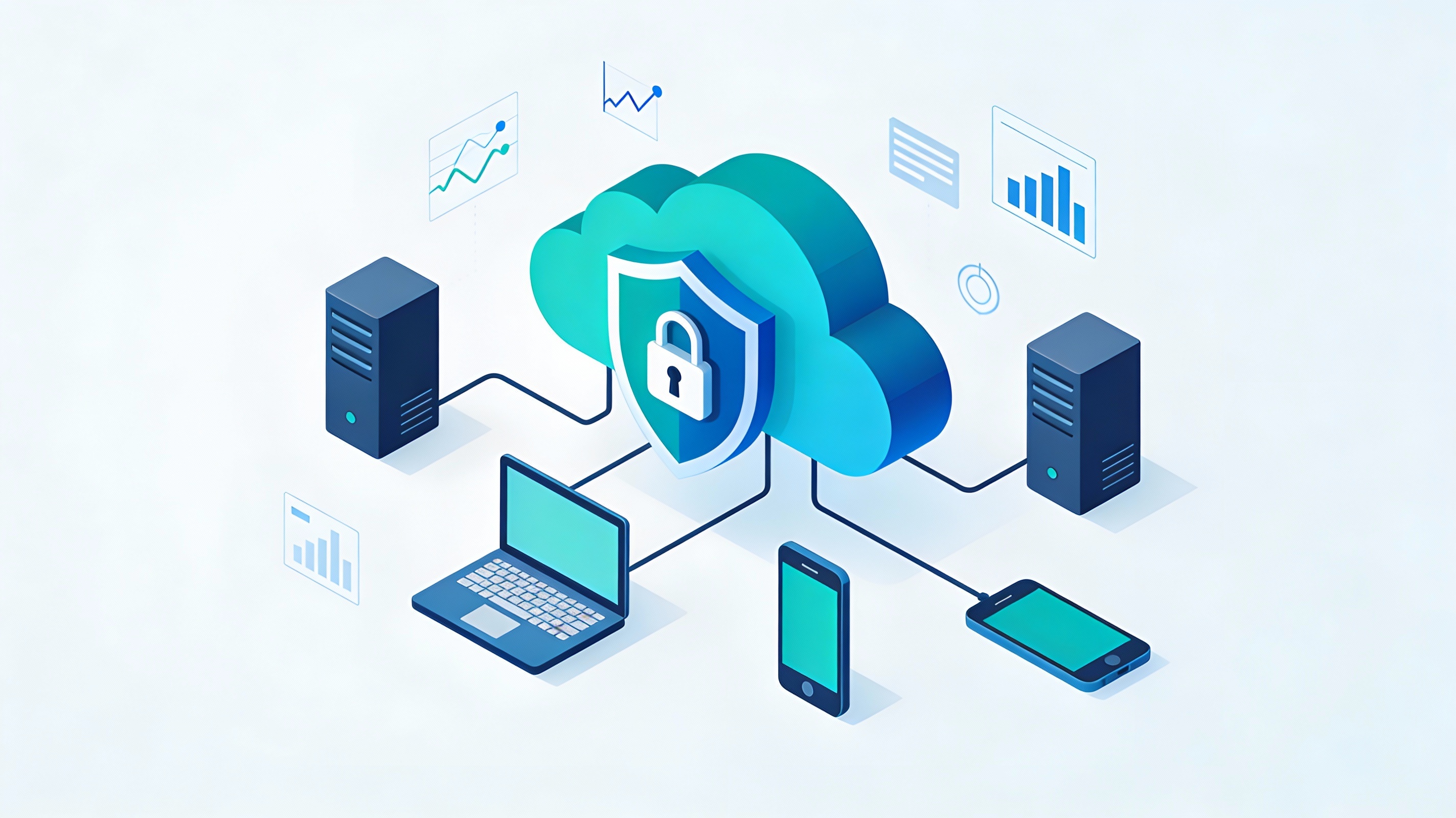

Scalability becomes a strategic advantage. When a new project launches, a new location opens, or a campaign suddenly drives traffic to your applications, capacity can be scaled up quickly without months of procurement. When demand stabilizes, resources can be scaled down again to avoid unnecessary spending. Managed IT services help balance agility with governance so you can innovate without losing control.
Proactive managed IT services transform technology from a reactive expense into a reliable, measurable growth engine for modern organizations
Nexgenit Technologies
Why the right partner matters
Tools alone cannot deliver the full value of managed IT; people and process are equally important. The right provider will take time to understand your business model, critical applications, customer expectations, and internal capabilities. Together you define clear service levels, escalation paths, and reporting so that everyone knows what “good” looks like and how performance will be measured.
Over time, this relationship evolves from vendor to strategic partner. Regular reviews of incidents, trends, and new initiatives help align IT with business priorities. Instead of simply asking “How do we keep things running?”, the conversation shifts to “How can technology help us serve customers better, move faster, and compete more effectively?”. That is the real future of managed IT services: a model where IT is not just supported but continuously optimized for growth.
 Why Cloud & Infrastructure Modernization Matters
Leave A Comment