Turning manual processes into
scalable digital workflows
N
e
x
G
e
n
I
T
Services
Contact info
- Our office 541, JMD MegaPolish, Gurgaon, Haryana, India.
- Phone +(91) 844 899 8227
- Email contact@nexgenittechnologies.com
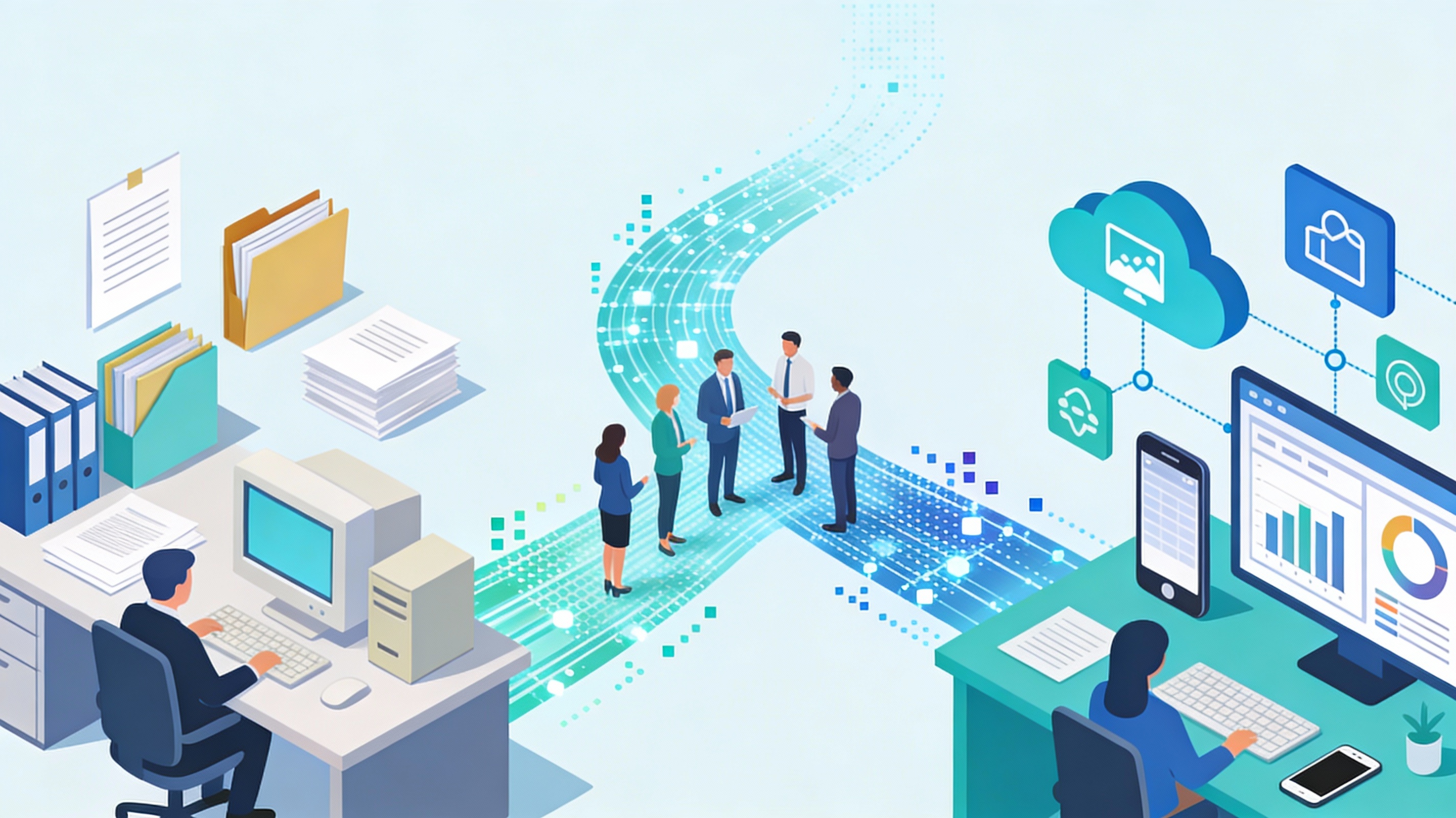
Many established businesses run on processes that were designed years ago for paper, spreadsheets, and on‑premise systems. These processes often work “well enough” but create bottlenecks when the business tries to grow, serve customers online, or support remote teams. Digital transformation for traditional businesses is about reimagining how work gets done by using modern technology to streamline operations, improve visibility, and unlock new revenue opportunities.
The goal is not to replace everything overnight or chase every new tool on the market. Instead, successful transformation starts with understanding where time is wasted, where errors frequently occur, and where customers experience the most friction. From there, organizations can redesign key workflows with digital tools—such as CRMs, ERPs, customer portals, and automation platforms—so that information flows smoothly across departments instead of getting trapped in silos.
From spreadsheets and paperwork to integrated systems
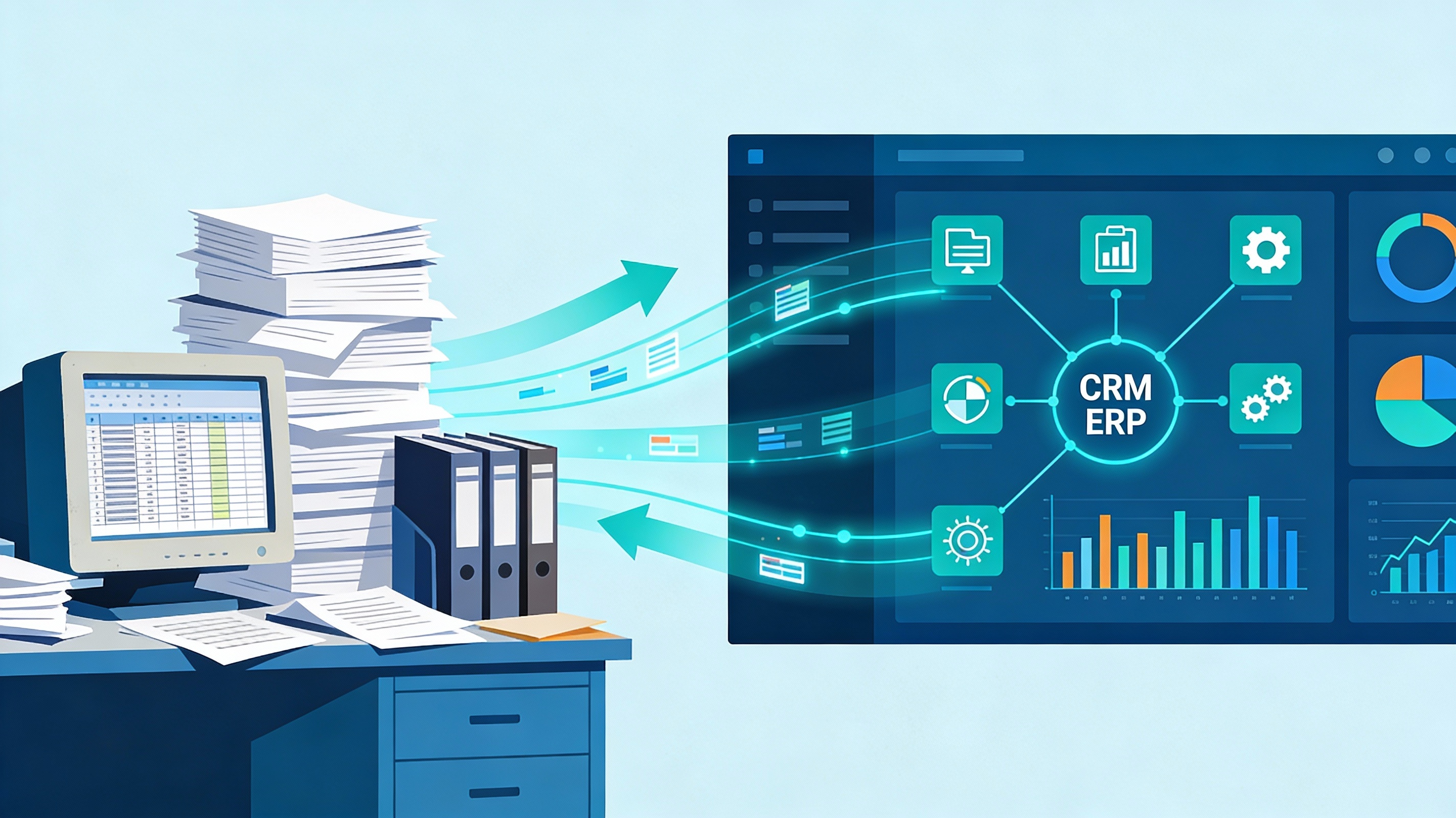
In many traditional environments, critical information lives in disconnected spreadsheets, email threads, and filing cabinets. This makes it hard to get a single source of truth or to answer basic questions such as “What is the current status of this order?” or “Which customers are at risk?”. Digital transformation replaces these fragmented tools with integrated systems where data is captured once and reused many times.
For example, a modern CRM can centralize customer interactions, proposals, and support history, while an ERP system can handle inventory, billing, and procurement. When these systems are connected, sales, operations, and finance can work from the same data instead of building their own private versions. This reduces manual re‑entry, minimizes errors, and frees employees to focus on higher‑value tasks that require judgment and relationship building.
Enhancing customer experience in every interaction
Customers today expect fast, personalized, and consistent experiences across channels—phone, email, website, and mobile. Traditional processes often rely on a few key people who “know everything”, which does not scale and leads to delays when those people are busy or unavailable. Digital transformation brings structure and visibility to the customer journey so that every interaction feels professional and informed.
Self-service portals, online forms, and automated notifications make it easier for customers to place orders, track progress, and get answers without waiting for manual updates. Behind the scenes, workflow engines and business rules ensure that tasks are routed to the right teams with clear deadlines and accountability. Over time, these digital touchpoints generate data that can be used to understand customer behaviour, refine offerings, and anticipate needs instead of reacting only when problems occur.
Empowering employees with better tools and data
For employees, digital transformation is not just about new software; it is about making their daily work easier and more meaningful. When routine steps are automated—such as approvals, status updates, or report generation—teams can spend more time on problem solving, innovation, and customer engagement. This shift often improves job satisfaction because people see a clearer connection between their work and business outcomes.
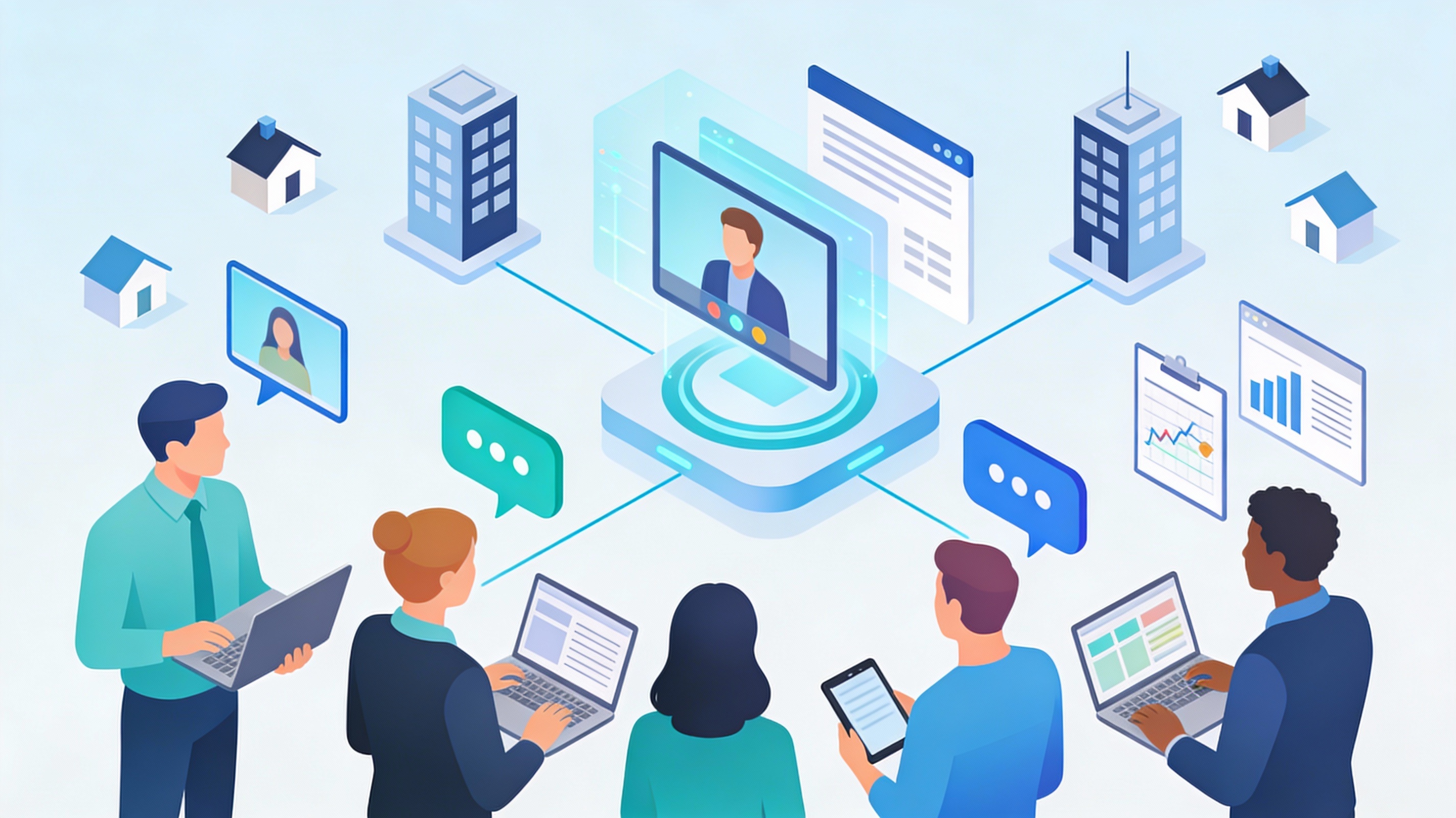
Modern collaboration tools, document management systems, and communication platforms also support hybrid and remote work models. Staff can securely access the information they need from any location, coordinate in real time, and maintain a consistent working rhythm even when they are not in the same office. This flexibility helps attract and retain talent while keeping operations resilient during disruptions.
Real digital transformation does not start with technology; it starts with rethinking how your business creates value for customers and then using technology to make that vision real.nexgenit technologies
Managing change, risk, and long-term value
Transformation is as much a cultural journey as a technical one. Employees need clarity on why changes are happening, how new tools will help them, and what support they will receive during the transition. Training, communication, and leadership sponsorship are critical components of any successful digital initiative. Without them, even the best-designed systems will struggle to gain adoption.
At the same time, traditional businesses must balance ambition with risk management. Starting with a clear roadmap, prioritizing quick wins, and measuring outcomes at each stage helps build momentum and confidence. Over time, the organization moves from isolated digital projects to a continuous improvement mindset where data, experimentation, and cross-functional collaboration become part of the culture. This is when digital transformation shifts from a one‑time project to an ongoing advantage that keeps the business competitive in a changing market.
Previous Post
 How Workforce Augmentation Boosts IT Delivery

Leave A Comment