Why Cloud & Infrastructure Modernization Matters
From legacy bottlenecks to agile infrastructure




For many organizations, infrastructure was built years ago around on‑premise servers, ageing hardware, and tightly coupled applications that were never designed for today’s speed of business. This legacy foundation often leads to slow deployments, frequent bottlenecks, and high maintenance effort just to “keep the lights on”. Cloud and infrastructure modernization is about breaking out of these constraints and redesigning the base layer of IT so it becomes flexible, scalable, and ready for whatever the business needs next.
At the same time, digital products, remote work, and data‑driven decision making have become standard expectations, not future goals. Customers want faster responses, leadership wants real-time insight, and teams need secure access from anywhere. Without a modern infrastructure, each new requirement feels like a workaround instead of a natural extension. Modernization ensures the foundation can support new ideas instead of resisting them.
From capital-heavy hardware to scalable cloud
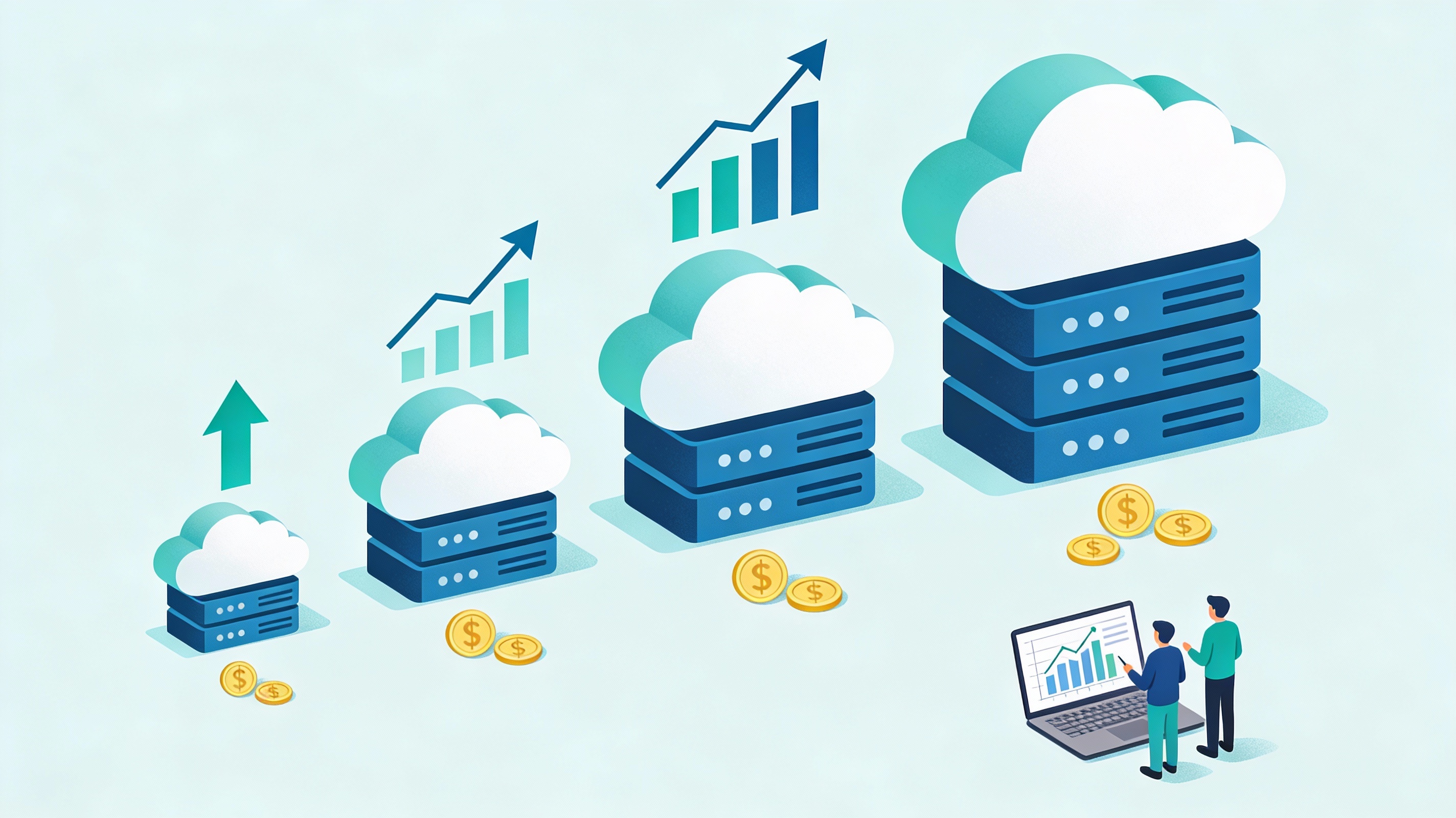
Traditional infrastructure models often rely on large upfront investments in hardware, data center space, and long procurement cycles. Servers are sized for peak load, which means expensive capacity sits idle for much of the year. When demand spikes unexpectedly, there is rarely enough time to add resources without disruption. Cloud platforms invert this model by allowing organizations to pay only for what they use and to scale resources up or down as needed.
With infrastructure-as-a-service and platform-as-a-service, teams can provision environments in minutes, not weeks. New applications, test environments, or proof-of-concepts no longer require long planning cycles and purchase orders. This agility lets businesses experiment more, respond faster to market changes, and reduce the risk associated with innovation, because capacity can be adjusted quickly if a project needs to grow or wind down.
Security, reliability, and built-in resilience
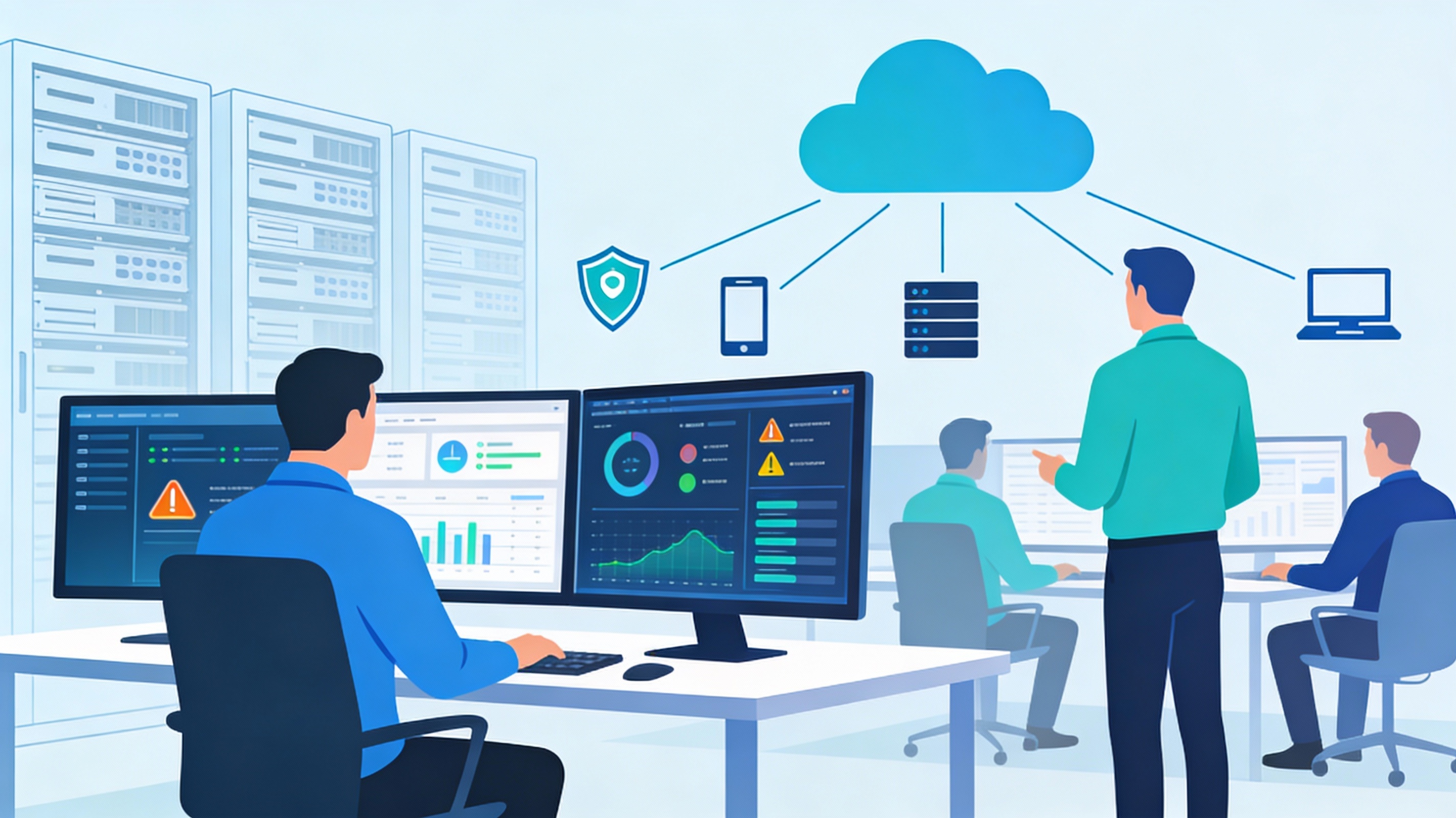
There is a common perception that moving to the cloud increases risk, but when done correctly, modernization actually strengthens security and resilience. Leading cloud providers offer advanced security capabilities—encryption, identity and access management, network segmentation, threat detection—that are difficult and costly to replicate in a traditional data center. The key is to design infrastructure with security as a core requirement from day one.
Modern architectures can include automated backups, geo-redundant storage, and failover strategies that dramatically reduce the impact of outages. Instead of a single server or site being a single point of failure, workloads can be distributed across regions and availability zones. This approach aligns IT operations with business continuity goals, helping ensure that critical services remain available even when unexpected issues arise.
Enabling modern applications and ways of working
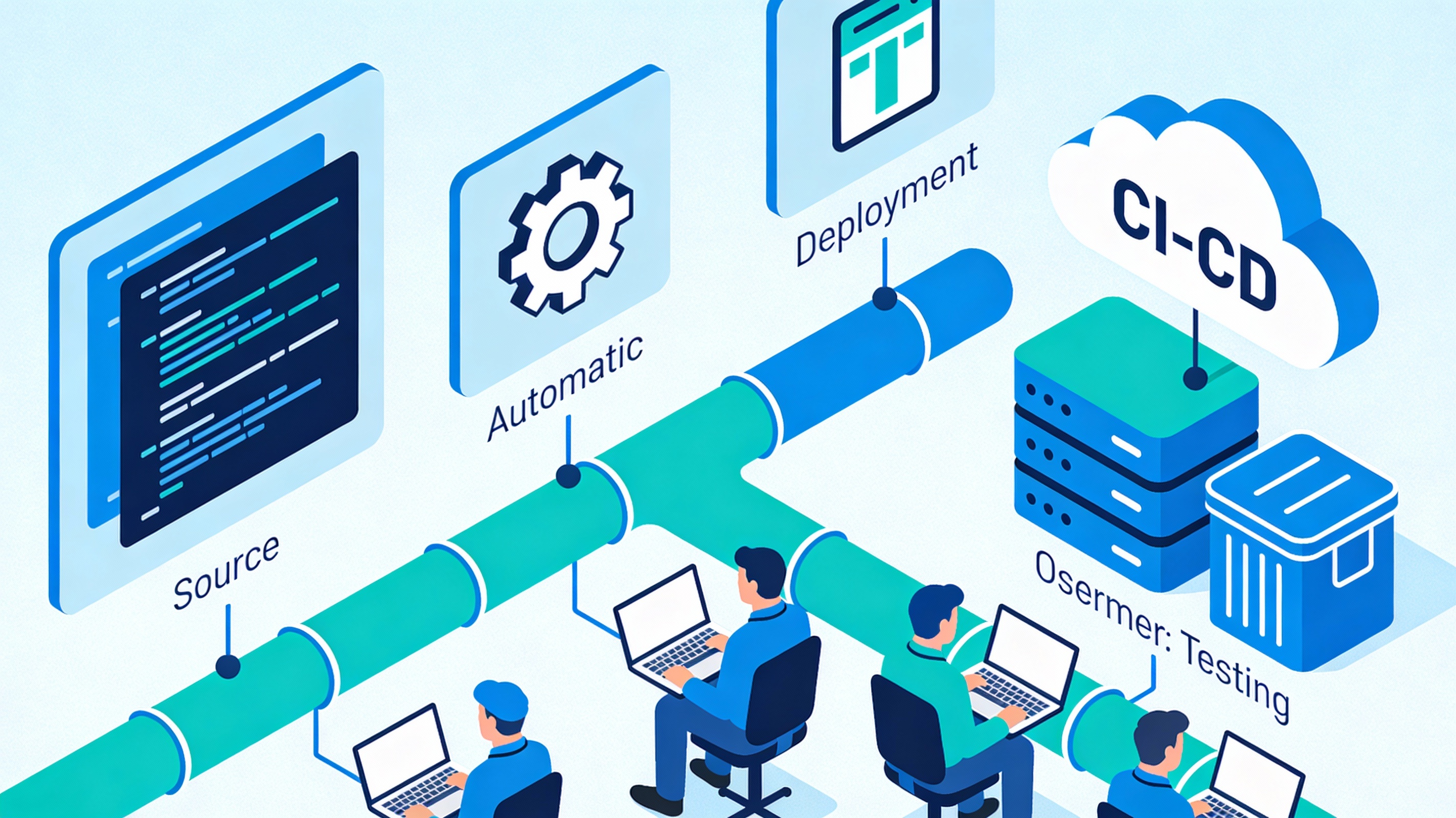
Cloud and infrastructure modernization also unlock modern application patterns such as microservices, containers, and serverless computing. These approaches allow teams to build smaller, independent components that can be deployed and updated without affecting the entire system. As a result, releases become more frequent, rollbacks become safer, and new features can reach users faster.
For employees, a modern infrastructure means consistent, secure access to applications from any location or device. Hybrid and remote work models become easier to support with centralized management, single sign-on, and secure connectivity to cloud and on‑premise resources. Instead of struggling with VPN limitations and manual configurations, teams benefit from a seamless digital workspace that supports productivity wherever they are.
Cloud and infrastructure modernization turns IT from a static cost centre into a dynamic platform that can adapt, scale, and secure your business in real time.
Nexgenit Technologies
Controlling cost while increasing visibility
One of the most powerful aspects of modernization is the ability to see and control costs at a granular level. Cloud platforms provide detailed usage and billing data, making it easier to understand which applications, departments, or projects consume the most resources. With the right governance in place, organizations can set budgets, define guardrails, and automate policies that shut down unused resources or right-size oversized workloads.
This cost transparency is not just a financial benefit; it also improves accountability and decision making. Technology investments can be tied more clearly to outcomes, making it easier to justify new initiatives or refine existing ones. Over time, infrastructure modernization creates a continuous improvement loop where performance, security, user experience, and cost are actively monitored and optimized, ensuring that IT truly serves as an engine for growth rather than a drag on progress.
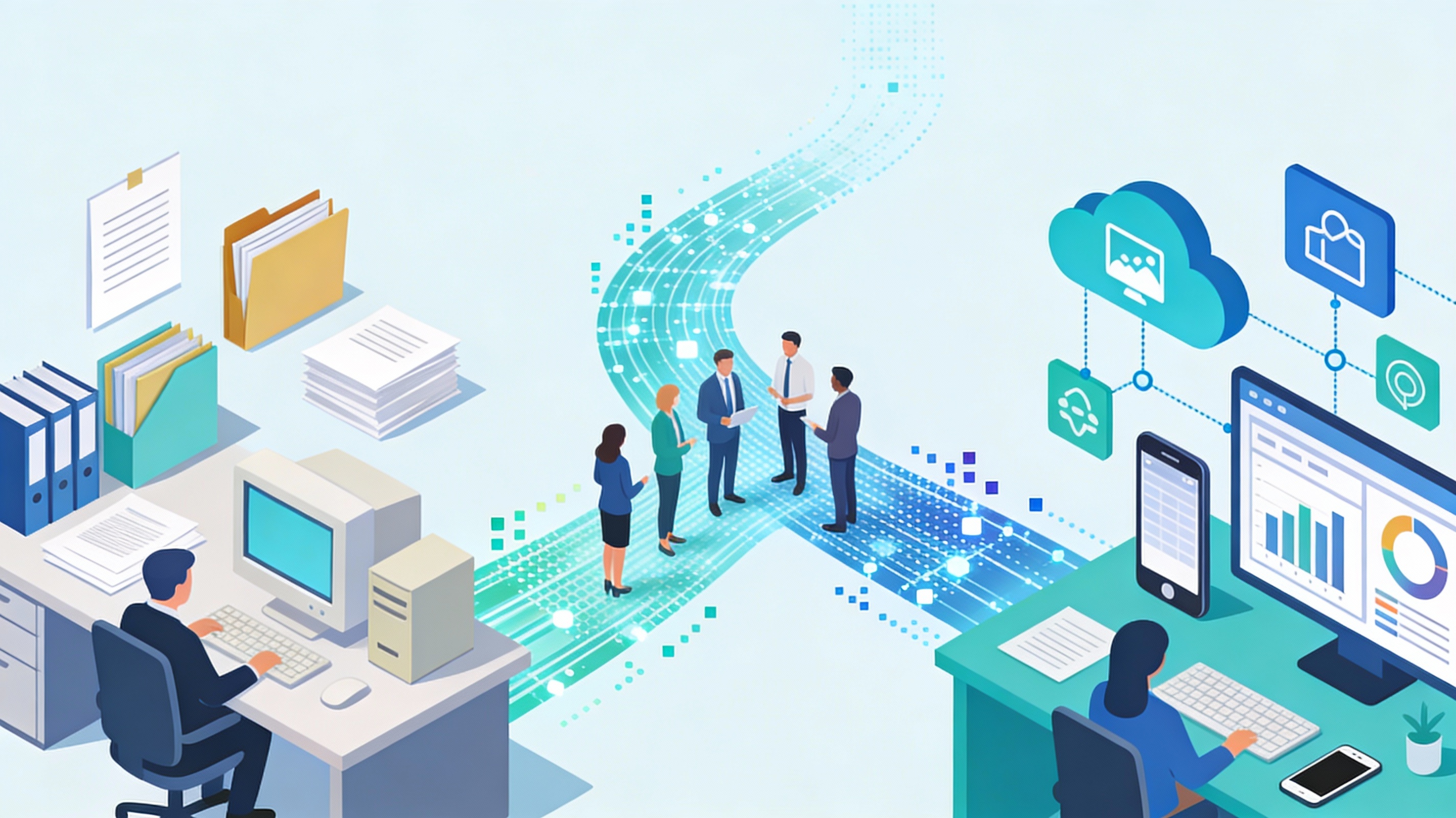 Digital Transformation for Traditional Businesses
Leave A Comment